
$1880
$1690
7-Day Zhangjiajie Peaks & Ancient Town Adventure
4-star park-area and old-town stays
Xi'an adds archaeological depth and a more concentrated historic atmosphere than most first-time visitors expect. It is one of the easiest places in China to understand the connection between imperial history, city structure, and everyday street life.
Xi’an is the most useful history stop after Beijing because it turns China’s dynastic story into something tangible and easy to follow. The Terracotta Warriors are the headline attraction, but the city itself stays rewarding through the ancient wall, pagoda sites, the Bell Tower district, and one of the most enjoyable street-food atmospheres in the country.
Two full sightseeing days and a third overnight is usually enough for first-time visitors. That gives one dedicated day for the Terracotta Warriors, one city day for the wall and neighborhood exploration, and enough flexibility to travel in and out without rushing.
Xi’an is most often paired with Beijing and Shanghai inside a first-time China journey. Travelers who want more scenery after Xi’an often continue to Guilin & Yangshuo or Chengdu rather than adding more large cities.
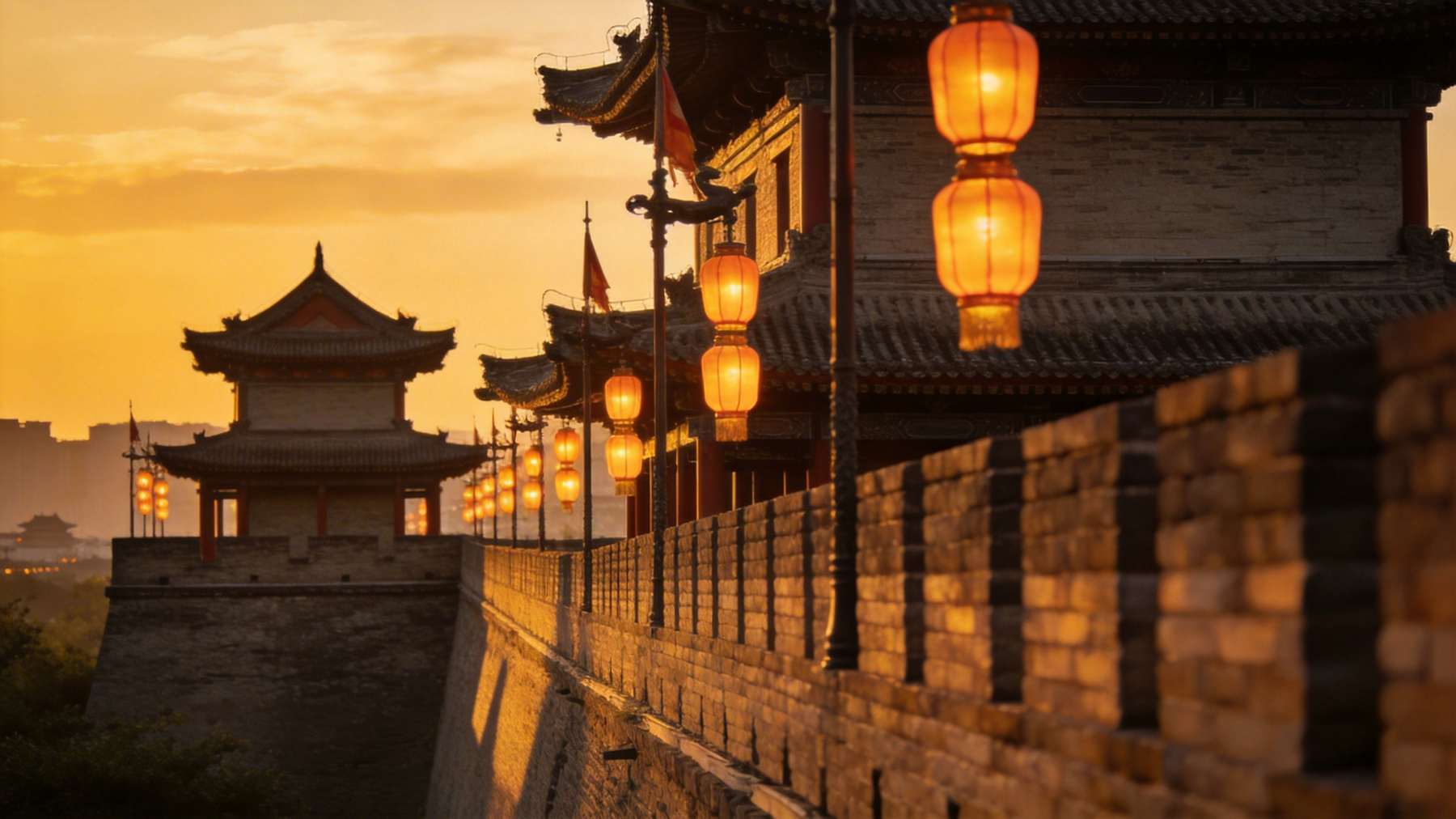
Xi'an is strongest when you combine one major museum or archaeological day with one day focused on the city itself. That balance keeps the trip informative without feeling too academic.
$1880
$1690
4-star park-area and old-town stays

$1650
$1490
Central Chengdu 4-star hotel
$1540
$1390
Boutique or 4-star river area stays